
Digital Publishing
Proof Reading : Excellence in detection and correction of errors in written work or digital content. Our Proofreaders are consistently accurate by default because they occupy the last stage of typographic production before publication.
HTML & XML coding : EXtensible Markup Language is not a replacement for HTML. We use XML to transport and store data, with focus on what data is & HTML to display data, with focus on how data looks. HTML is about displaying information, while XML is about carrying information. XML is a software- and hardware-independent tool for carrying information. XML is the most common tool for data transmissions between all sorts of applications.
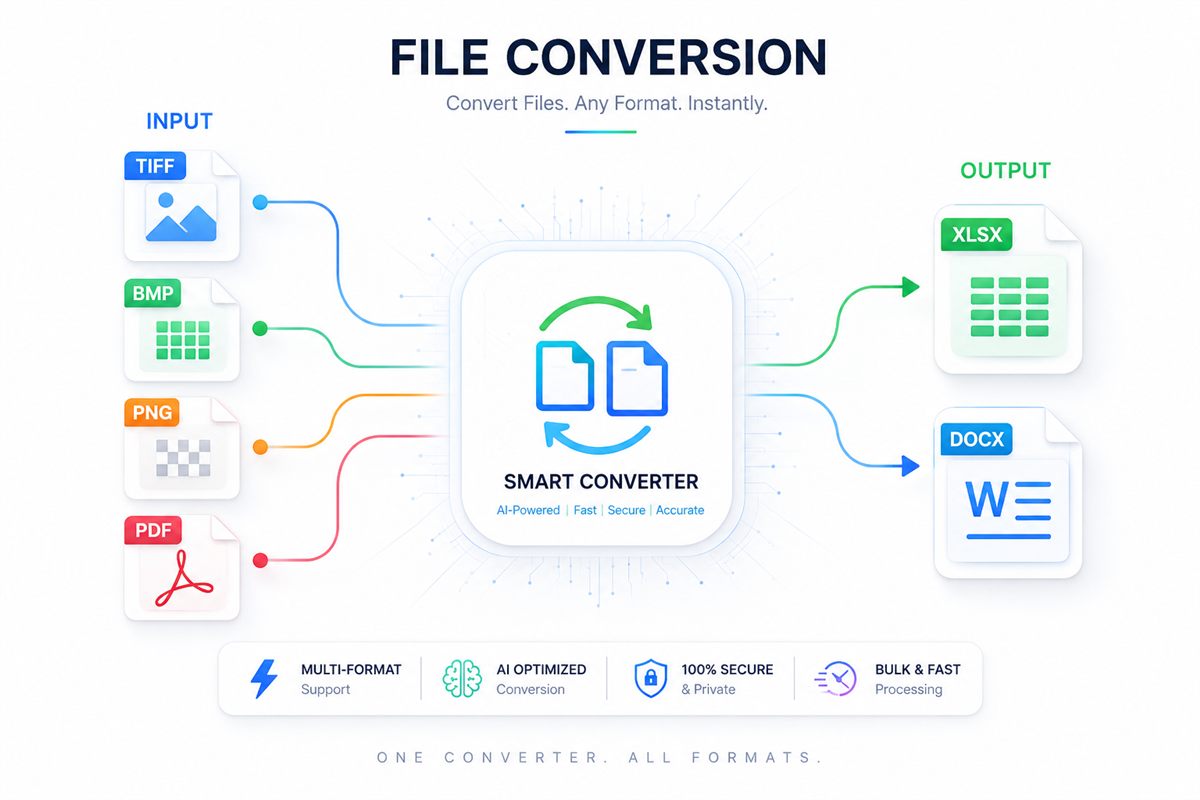
Data Conversions : Is the conversion of computer data from one format to another. Throughout a computer environment, data is encoded in a variety of ways. Alternatively, the conversion may require processing by the use of a special conversion program, or it may involve a complex process of going through intermediary stages, or involving complex "exporting" and "importing" procedures, which may converting to and from a tab-delimited or comma-separated text file. In some cases, a program may recognise several data file formats at the data input stage and then is also capable of storing the output data in a number of different formats. Such a program may be used to convert a file format.
Ex : PDF to Doc, Scanned image to Excel or Doc, HTML to e-PUB, etc.
e-Books : An e-book (short for electronic book, or EBook), also known as a digital book, is an e-text that forms the digital media equivalent of a conventional printed book, sometimes restricted with a digital rights management system.
We process Digital Editions for following formats:
- ePub for Digital Editions
- iPhone / iPad
- PDF for Digital Editions
Adobe Digital Editions 1.7 - Suitable Devices : Windows, Mac, Sony Reader, Cool-er Reader, iPhone, iPad, iPod Touch
Print on Demand (POD) : Print on demand (POD), sometimes called publish on demand, is a printing technology and business process in which new copies of a book (or other document) are not printed until an order has been received. "Print on Demand" developed only after digital printing began, because it was not economical to print single copies using traditional printing technology such as letterpress and offset printing.
Journal & Book Paginations : Journal pagination refers to the manner in which academic journals assign page numbers to their publications. Academic journals usually organize their published articles into volumes (often by year) and issues (anywhere from 2 - 24 per year). When a journal restarts page numbering with each issue they are said to paginate by issue; when page numbering restarts after each volume they are said to paginate by volume.
Data Management & Processing
- Data Entry
- Hand written forms processing
- Information Verification and Conversion
- Document Scanning
- Database management
- Abstracting
- Form processing
- Data Archiving